Ask 20 people what the best vocal of all time is, and y'all'll probably get xx different answers. That's the beauty of a keen song: It has the ability to move you on a personal level, which is far more than important than what anyone else thinks.
However, in an effort to create a list of the best greatest songs, we considered the views of professional music critics and fans alike, via Rolling Stone'due south 500 Greatest Songs of All Time and Ranker's The All-time Songs of All Time.
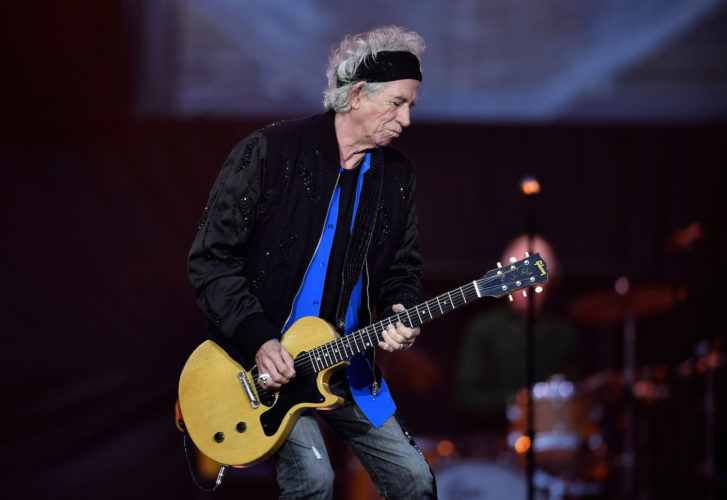
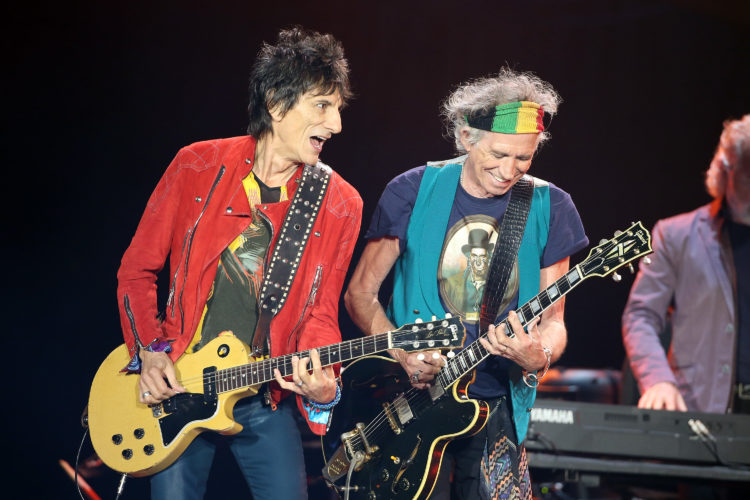
For a song that Keith Richards wrote in twenty minutes, "Gimme Shelter" made a big impression. The opening track to the 1969 Rolling Stones album "Permit Information technology Drain," it was never released as a single but has been included in many compilation records and has been a staple of the ring'due south live gigs. During their 50th anniversary tour in 2012, the Rolling Stones sang this vocal with Lady Gaga, Mary J. Blige and Florence Welch.
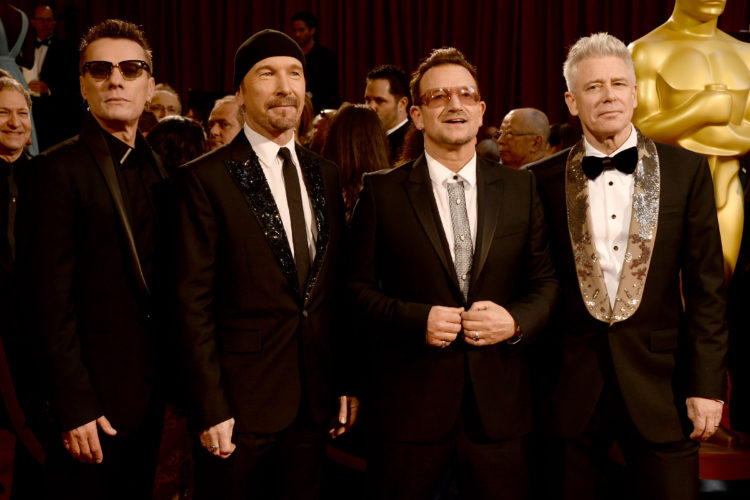
The third track on U2's 1991 album "Achtung Baby," "One" was actually a spin-off from their second single "Mysterious Means." According to Rolling Stone, the Edge suggested two ideas for the bridge and Bono liked one of them so much, he wrote a whole new set of lyrics. "1" may be a wedding favorite, only that wasn't what the band had in mind.
"People have told me they play information technology at their wedding," the Border said. "And I think, 'Have you lot listened to the lyrics? Information technology's not that kind of a song.'"
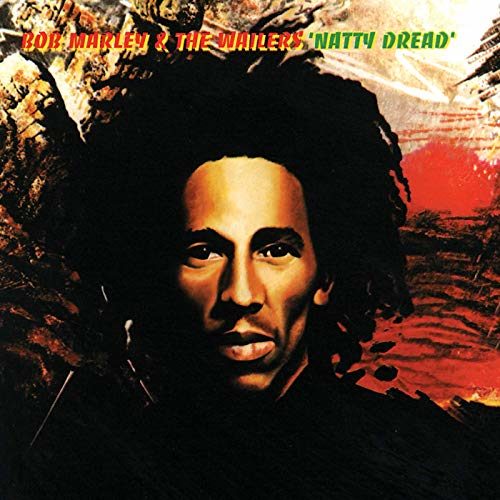
The all-time-known version of "No Adult female, No Cry" isn't the original version (on the 1974 studio anthology "Natty Dread"); it'south the version on the post-obit year's "Live!" — recorded at the Lyceum Theatre in London on July 17, 1975, as part of Marley's Natty Dread Tour.
This vocal didn't just change Marley's life; he gave a songwriting credit to his childhood friend Vincent "Tata" Ford, which helped Ford proceed his Kingston soup kitchen afloat.
"Yous've Lost That Lovin' Feeling" was first recorded past The Righteous Brothers in 1964 and reached the top of the charts in both the U.S. and the U.K. It was as well the fifth-bestselling song in the U.Due south. in 1965. The song has been covered by a number of other artists, including Dionne Warwick and Hall and Oates, merely no version has the impact of Neb Medley'south deep vocal, without instruments, in the intro: "You never close your eyes anymore when I kiss your lips."
The Rolling Stones are no strangers to controversy when information technology comes to their music, and their 1968 release "Sympathy for the Devil," from the album "Beggars Banquet," was no unlike. The song caused a stir among some religious groups, who feared that the Stones were devil-worshippers. Even so, in a 1995 interview with Rolling Stone, Mick Jagger said the song was an idea he got from French writing.
"I just took a couple of lines and expanded on it," he said. "I wrote it equally sort of like a Bob Dylan song."
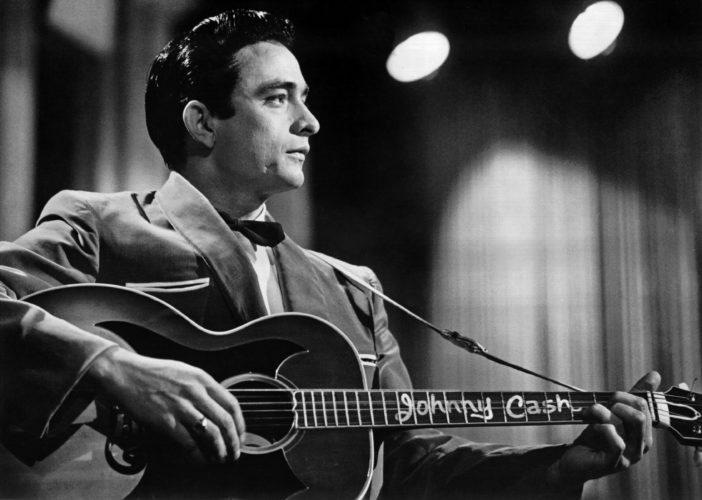
While he was stationed in Germany with the Air Force, Johnny Cash started working on "I Walk the Line." It was many years after, in 1956, when he decided to tape information technology, but realized that the original tape was damaged. However, this ended upward beingness a bonus; he embraced the unique sound and added even more involvement by wrapping a piece of wax paper around the strings of his guitar. And it gave him his first No. one on the Billboard charts.
"It was dissimilar than anything else yous had ever heard," Bob Dylan told Rolling Stone. "A voice from the middle of the Earth."
Producer Phil Spector considers Ike and Tina Turner's 1966 release of "River Deep – Mountain Loftier" to be his best piece of work, and plenty of people agree. Information technology ranks at No. 33 on Rolling Stone'south 500 Greatest Songs of All Time and it was inducted into the Grammy Hall of Fame in 1999. For Tina Turner, putting the song together was a memorable feel — Spector fabricated her sing it over and over for several hours until he got the "perfect" vocal.
"I must have sung that 500,000 times," Turner told Rolling Stone. "I was drenched with sweat. I had to take my shirt off and stand up at that place in my bra to sing."
In a 1980 interview with Playboy, John Lennon said the song "Help!" — released as a single in July 1965, at the height of Beatlemania — had hidden depths that even he wasn't aware of when he wrote information technology.
"Well-nigh people remember it'due south simply a fast rock 'n' roll song," he said. "Subconsciously, I was crying out for aid. I didn't realize it at the time; I only wrote the song considering I was deputed to write it for the flick." He later on told Rolling Stone he didn't like the recording: "We did it too fast, to try and be commercial."
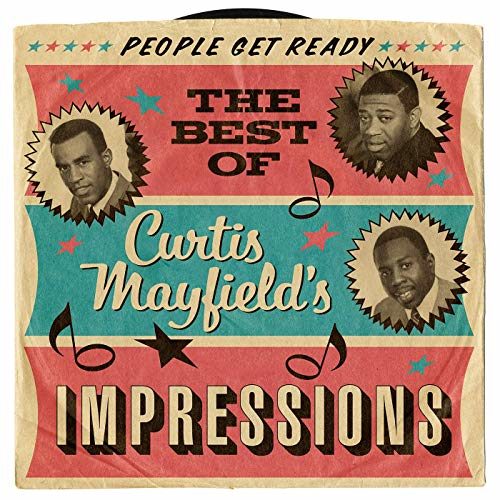
"People Get Set" is The Impressions' best-known hit. Written by Curtis Mayfield, it reached No. 3 on the Billboard R&B nautical chart, became an unofficial canticle for the Civil Rights Movement and was named every bit one of the top 10 all-time songs of all time by Mojo Mag.
Mayfield himself said of the song, "That was taken from my church or from the upbringing of messages from the church. Similar there's no hiding place and get on board, and images of that sort. I must accept been in a very deep mood of that type of religious inspiration when I wrote that song."
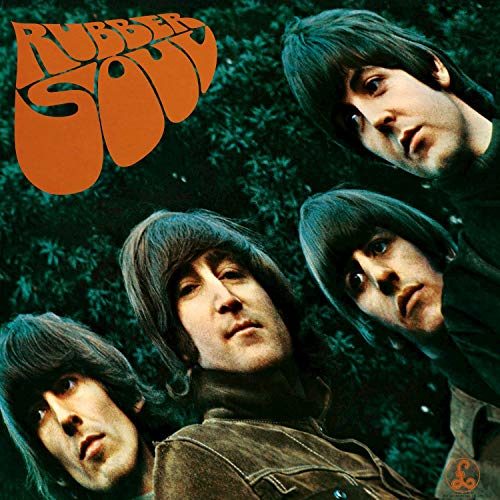
If it had been up to John Lennon, "In My Life," the Beatles' 1965 single from the album "Rubber Soul," would get a place on all the "best of" lists — at to the lowest degree from the band'south back catalog. Lennon described it as "my first real, major piece of piece of work," adding that "up until so it had all been glib and throwaway."
According to Lennon's friend and biographer Peter Shotton, the lines "Some [friends] are dead and some are living/In my life I've loved them all" referred to Stuart Sutcliffe (who died in 1962) and to Shotton himself.
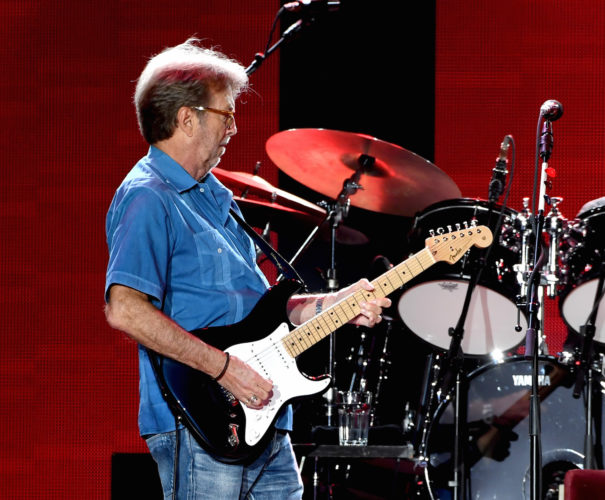
Eric Clapton was and then moved by Western farsi poet Nizami Ganjavi's 12th-century volume, "The Story of Layla and Majnun" that he wrote "Layla," which is often hailed as one of the best rock songs of all time. Clapton drew additional inspiration from his ain life and his and then-unrequited love for Pattie Boyd, the wife of his friend and swain musician George Harrison. Ultimately, it all worked out — Clapton and Boyd eventually got together and were married for almost x years.
"It was the heaviest matter going on at the fourth dimension," Clapton told Rolling Stone in 1974. "That's what I wanted to write about most of all."
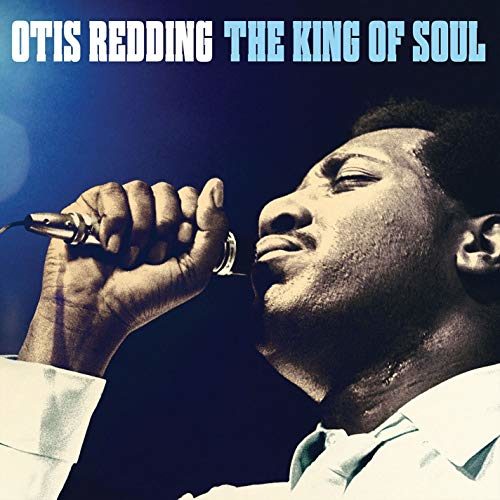
Otis Redding wrote the lyrics to what's perhaps his best-known song while he was literally sitting on the dock of the bay — or at least, sitting on a rented houseboat in Sausalito, California, after the Monterey Pop Festival in the summer of 1967. (The sound of crashing waves on the backing track are all real.) Redding finished writing and recording the song with guitarist Steve Cropper a few months later in Memphis, but days earlier Redding was killed when his individual plane crashed into Lake Monona in Madison, Wisconsin.
"(Sittin' On) The Dock of the Bay" was the start posthumous unmarried to reach No. 1 in the U.S., and it reached No. iii in the U.K.
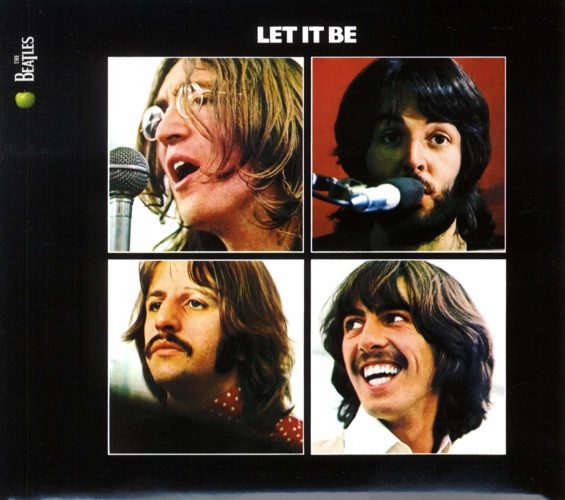
Often, the most tumultuous times spawn great creativity, and this was certainly true for Paul McCartney in 1968. The Beatles were falling apart, merely McCartney found some comfort in a dream in which his tardily mother, Mary, gave him some words of advice. This inspired the opening lines of "Permit it Be": "When I find myself in times of problem/Mother Mary comes to me."
"Let information technology Be" was the championship track of what would be The Beatles' last studio album, released in March 1970, and it was the last single released by the band earlier their split was announced to the press.
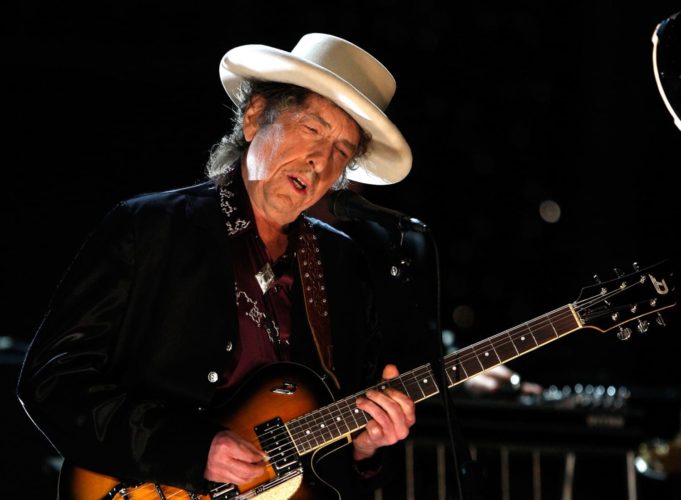
Written by Bob Dylan every bit the championship track of his 1964 album, "The Times They Are a-Changin" became an anthem for modify. When it was released in the U.One thousand. in 1965, information technology reached No. 9 on the singles nautical chart; in the U.Southward., information technology failed to chart at all. Even so, information technology remains i of Dylan's nearly well-known and influential songs, and has been covered past a slew of artists, including Nina Simone, Simon & Garfunkel, the Beach Boys and Bruce Springsteen.
Dylan's relationship with this particular song appears to exist more than complicated. It was a setlist regular from 1965 through 2009, when he dropped it.
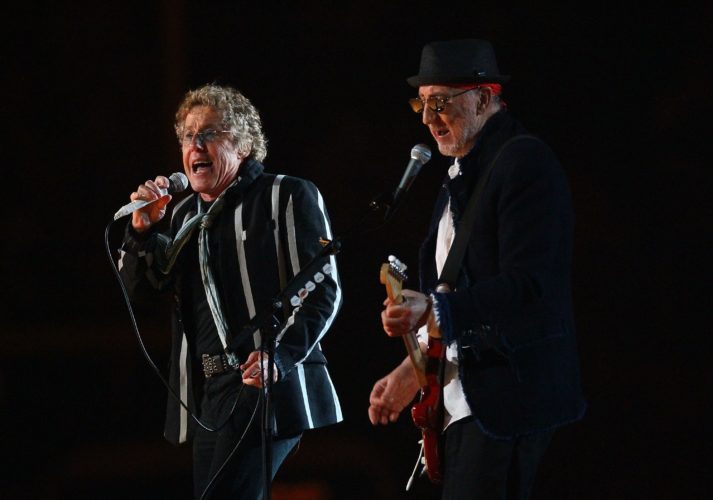
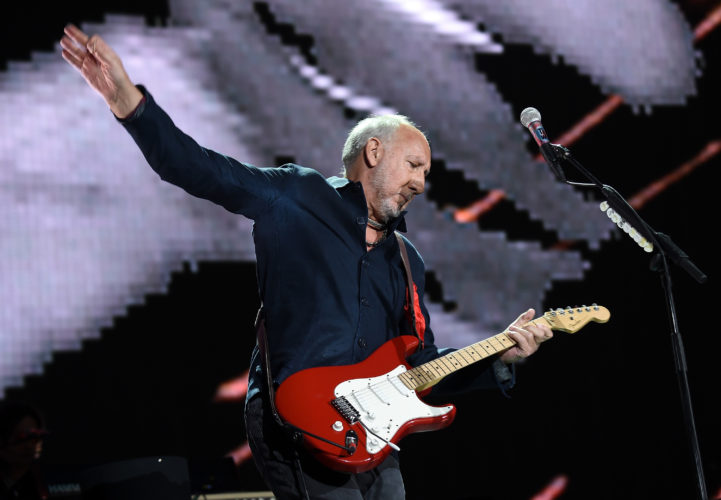
The Who's Pete Townshend was influenced by the Indian spiritual principal Meher Baba and the composer Terry Riley, who was credited with pioneering the minimalist style of limerick. At one point in Townshend'south songwriting he merged the two, and the upshot was "Baba O'Riley," which was released as a single in 1971. It was originally written for the rock opera "Lifehouse," the intended follow-upwardly to the hugely successful "Tommy" musical of 1969, simply "Lifehouse" was abandoned before it got on its feet.
In 2018, Roger Daltrey said "Baba O'Riley" was a warning to kids everywhere not to spend too much fourth dimension on social media.
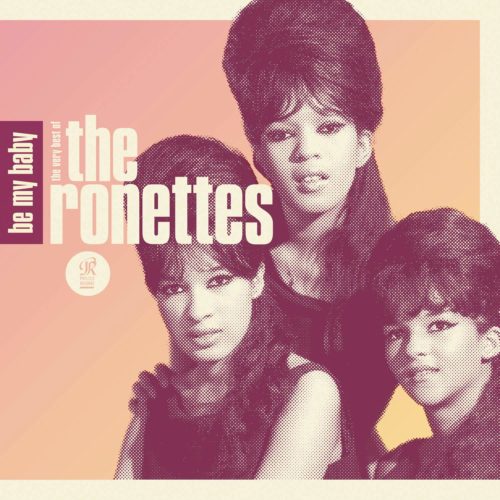
"Be My Infant" is included in "best song" rankings by Rolling Rock, NME, Time and Pitchfork, amidst many others. Some other Phil Spector production, it featured a full orchestra and a young Cher on backing vocals.
"The things Phil was doing were crazy and exhausting," said Larry Levine, Spector'south engineer. "But that's not the sign of a nut. That's genius."
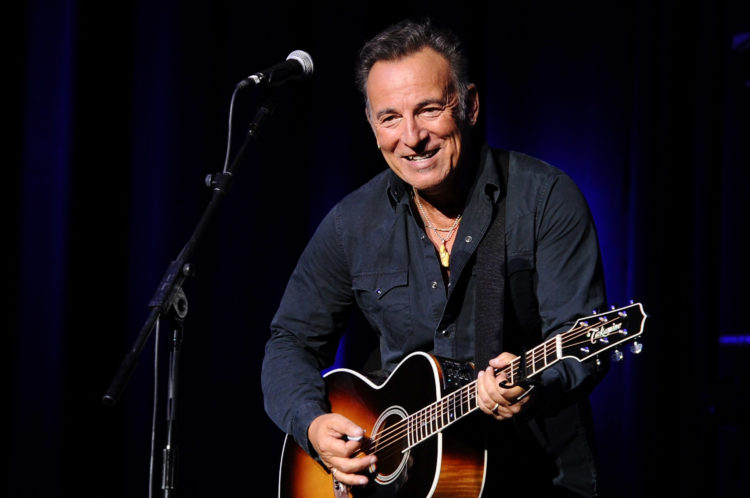
The title song of Springsteen'southward 1975 album, "Born to Run" was his almost ambitious recording to date.
"I wanted to make the greatest stone record I'd ever heard," he told Rolling Stone. It was his get-go global unmarried release, although it only bankrupt into the top 20 in the U.S. charts. It became an underground hitting; according to The Atlantic, demand for the vocal was and so strong in Philadelphia that WFIL, the urban center's top-40 forenoon station, aired information technology several times a day.
"Behind Blue Eyes," recorded in 1971, was reportedly inspired past Pete Townshend being tempted by a groupie at a Who concert in Denver the previous year. Instead of succumbing to temptation, Townshend reportedly went back to his hotel room lonely and wrote a prayer, beginning with the words, "When my fist clenches, scissure it open." These words afterwards appeared as lyrics in "Behind Blue Eyes."
The song featured on the band's 5th album "Who'due south Side by side" and has been covered by numerous artists, most famously by Limp Bizkit in 2003.
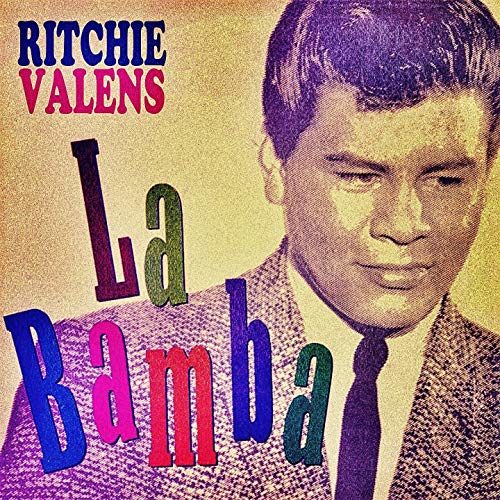
The Los Lobos comprehend of Mexican folk song "La Bamba," which was the title track of the 1987 film starring Lou Diamond Phillips equally stone 'northward' roll star Ritchie Valens, is the most famous version of the song. However, it's Valens' 1958 accommodation that appears in the Ranker nautical chart as well as Rolling Rock's top 500; in fact, it's the just song on the listing sung in a language other than English.
Around the world, "La Bamba" is one of the best-known songs from the early on stone 'north' roll era.
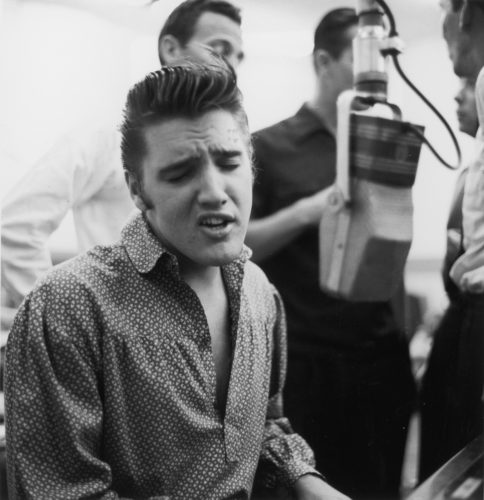
"Hound Canis familiaris" was a hit for R&B vocaliser Willie Mae "Big Mama" Thornton before Elvis Presley sang it, but it's Presley's version that ranks No. xix on the Rolling Stone top 500. Presley included the song in his set list in 1956 afterwards hearing Freddie Bell and the Bellboys perform information technology in Las Vegas. Famously, Presley serenaded a basset hound (wearing a height hat) on Tv's "Steve Allen Show" afterward that yr.
Presley later said, "It was the nigh ridiculous advent I e'er did and I regret ever doing information technology." Only "Hound Dog" was his all-time-selling single, besides equally one of the acknowledged singles of all time.
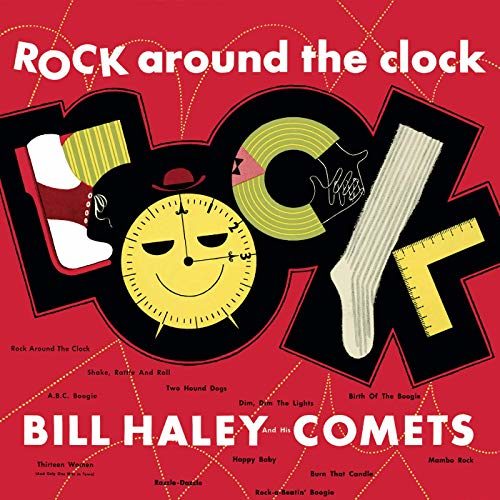
The all-time-known (and most successful) version of the rock 'northward' coil archetype "Rock Around the Clock" is by Bill Haley and The Comets. Released in 1954, information technology hit the height spot in the U.Due south. and U.K. charts — partly due to existence played during the opening credits of the 1955 crime movie "The Blackboard Jungle."
"Rock Around the Clock," which was described by The Guardian as "the world's first stone anthem," caused rioting in cinemas in schools, was arguably the kickoff teen anthem and paved the way for modern pop music.
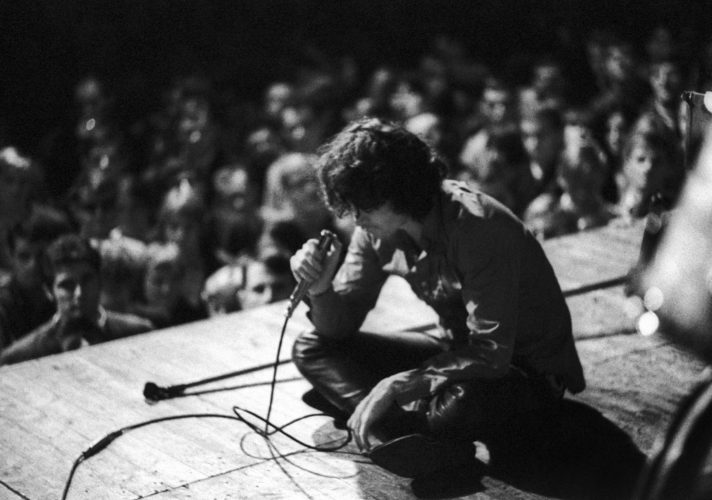
The commencement track on The Door'due south eponymous debut album, "Break on Through (To the Other Side)" was the band's beginning single release. It didn't do well on its get-go release, reaching only No. 126 on the U.S. charts, simply it remains one of their all-time-known and well-nigh-loved tracks. In 1967, Jim Morrison revealed in an interview with Striking Parader magazine that he wrote this vocal when he was crossing canals in Venice.
"I was walking over a bridge," he said. "I approximate it's ane girl, a daughter I knew at the time." The ring's label, Elektra Records, deleted the discussion "high" from the line "she gets high," in anticipation of a drug reference affecting the chance of radio airplay. In fact, all re-issues of the track had the word "loftier" deleted until the 1990s.
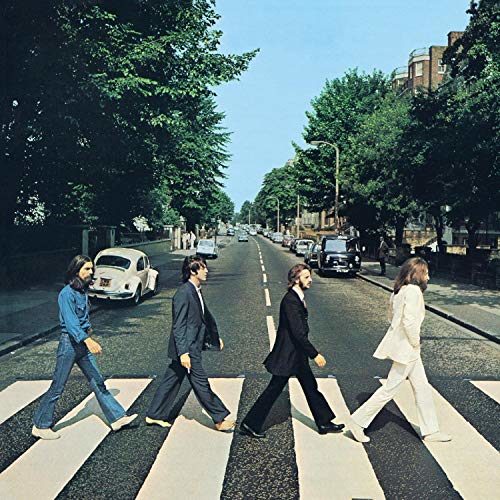
"Hither Comes the Sun" features on The Beatles' 1969 album "Abbey Road." Most Beatles songs were written past Paul McCartney and/or John Lennon, but this one was all downward to George Harrison (and the increasing influence of Indian classical music on the ring'south lead guitarist is articulate).
Reportedly, Harrison wrote "Here Comes the Dominicus" at the habitation of his friend Eric Clapton, where he had gone in order to avoid attending a meeting at the band's Apple Corps organization. It's a firm favorite amidst Beatles fans, and as of January 2020, information technology'southward the most streamed of all their songs in the U.Grand.
Frequently described every bit David Bowie'due south adieu to the glam stone movement he helped spearhead, the 1974 release "Rebel Insubordinate" is well-nigh a boy who rebels against his parents by wearing makeup and women's dress. Its highest U.Due south. chart position was No. 16 (on the Billboard Rock Songs). It reached No. 5 in the U.K. singles chart and remains a rousing "glam canticle" across the world today.
"Rebel Insubordinate" is also one of Bowie's most-covered tracks; everyone from Bryan Adams to the Slap-up Pumpkins.
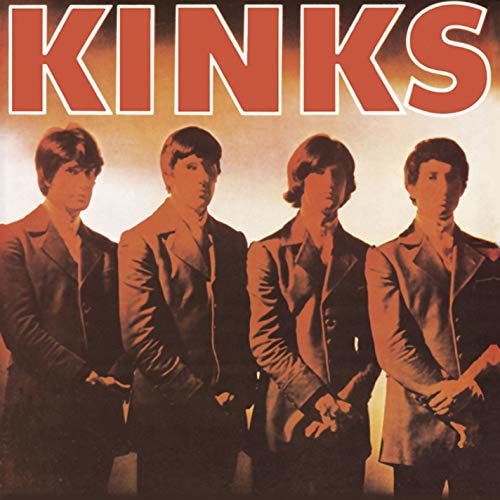
Written past Ray Davies for The Kinks' third single, "You Actually Got Me" reached No. 1 on the U.K. singles chart in 1964. In the U.S., information technology peaked at No. vii in the U.S. According to Rolling Rock, the ring'south 17-twelvemonth-onetime guitarist Dave Davies used a razor on his amp's speaker cone to create the unforgettable sound on the riff at the heart of the rail.
"The song came out of a working-class environs," he said. "People fighting for something."
At No. 17 on Rolling Stone'southward list of the all-time songs is "Regal Haze," written by Jimi Hendrix and released equally the second unmarried by The Jimi Hendrix Experience in 1967. I of Hendrix's best-known songs and many people'due south offset taste of his inimitable psychedelic stone sound, information technology regularly ranks high on lists of the best guitar songs, including No. ii by Rolling Rock and No. i by Q magazine. In 2013, Rolling Stone readers voted it the fifth best Hendrix vocal. It may likewise have 1 of the most misheard lines in stone history — for future reference, Hendrix sings "Excuse me while I kiss the sky," not "Excuse me while I kiss this guy."
What was created under hard personal circumstances (lack of management and ascent debt) and reflected concern about world events went on to get a signature song for punk band The Clash.
"We felt that we were struggling," lead singer Joe Strummer said, "nigh to slip down a slope or something, grasping with our fingernails. And there was no ane in that location to assist us."
"London Calling" was released as the only single in the United Kingdom from the album of the same proper noun and reached No. 11 in the charts in 1980, becoming the ring's highest-charting single until "Should I Stay or Should I Go" hit No. 1 10 years later.
At No. xv on the Ranker listing of the all-time songs is "What a Wonderful Globe," which was written past Bob Thiele (as "George Douglas") and George David Weiss and first recorded by Louis Armstrong. It topped the popular chart in the U.M. in 1967 but only striking the No. 32 spot in the U.South., though it was inducted in the Grammy Hall of Fame in 1999.
Other artists who've covered the vocal include Eva Cassidy and Katie Melua, The Flaming Lips, Tony Bennett (who was reportedly offered the vocal earlier Armstrong and turned it down) and k.d. lang, Joey Ramone, and Nick Cave and Shane MacGowan.
Sam Cooke'south 1964 hit "A Change is Gonna Come up" was released as the B-side to his posthumous hit single "Shake" simply days after his funeral in December 1964 (he was fatally shot at a motel in Los Angeles). Despite not existence a huge chart success — it peaked on the national pop nautical chart at No. 31 and climbed to No. ix on the R&B chart — it was one of the biggest anthems of the civil rights motility.
In 2007, "A Modify is Gonna Come up" was chosen by the National Recording Registry for preservation in the Library of Congress for being "culturally, historically, or aesthetically important."
Ranking 10th in the Ranker community, Simon & Garfunkel's "The Audio of Silence" was recorded in 1964 for inclusion on the duo'due south debut album, "Midweek Forenoon, 3 A.M." The song hit No. 1 on the Billboard Hot 100 in January 1966 and was a top 10 hit in many other countries, including Australia, Austria, W Germany, Japan and the netherlands. It was likewise in the movie "The Graduate," for which Simon & Garfunkel also wrote "Mrs. Robinson."
In an interview with NPR, Paul Simon (who wrote the song at age 21) said the primal to "The Sound of Silence" was "the simplicity of the melody and the words, which are youthful alienation."
Ane of the last true Lennon-McCartney collaborations and widely considered to be i of The Beatles' greatest achievements, "A Day in the Life" was the dramatic determination to the 1967 album "Sgt. Pepper's Lonely Hearts Club Band." Many artists have covered the track, including Jeff Brook, Barry Gibb, The Fall and Phish, and Paul McCartney himself has included it in his live performances since 2008.
In 2011, Rolling Stone ranked it offset on its listing of The Beatles' greatest songs, and according to Acclaimed Music, it's the third most celebrated song in popular music history.
Rolling Stone's 11th best song of all time is The Who'due south "My Generation," one of the band'south most recognizable hits. Other accolades include 13th identify on VH1's listing of the 100 Greatest Songs of Rock & Whorl and 37th place on VH1's Greatest Hard Stone Songs.
NME includes it in their 100 Best Songs of the 1960s, writing, "Taking in a timeless sense of youthful disaffection via a countercultural, Mod lens, Pete Townshend's historic period-defying ditty distilled what information technology feels like to be young, energised and in the prime of life into 3:18 minutes of bristling hedonism."
Claiming the 16th spot on the Ranker community's listing of the best songs, The Doors' "Light My Fire" was released in 1967 on the band'due south eponymous album. As an edited unmarried, it spent three weeks at No. 1 on the Billboard Hot 100 chart and was responsible for taking the band's career to another level. Notably, it got them an invite to perform on "The Ed Sullivan Show," but on the status that Morrison didn't sing the line, "girl, we couldn't become much higher."
However, he did include the forbidden line, and it was their beginning and last performance on the show.
Rolling Stone's pick for the 10th greatest song of all fourth dimension, "What'd I Say" by Ray Charles was famously composed late one evening in 1958 when Charles and his ring were on stage in Pittsburgh and had some time to fill.
"I said to the guys, 'Hey, whatever I do, just follow me,'" Charles told David Letterman. "And I said the aforementioned affair to the girls, I said, 'Whatever I say, merely echo information technology, I don't care what it is.'"
The reaction of the audience was enthusiastic, and "What'd I Say" went on to become Charles' first summit ten pop unmarried. Throughout his career, Charles closed every gig with the vocal, and it was added to the National Recording Registry (a listing of songs that "are culturally, historically, or aesthetically important, and/or inform or reflect life in the United States") in 2002.
Claiming the fifth spot on Ranker's list of the best songs of all time is "Paint it Black," the 1966 single released past The Rolling Stones that reached No. 1 on both the Billboard Hot 100 and the U.K. Singles Chart; it became the ring's tertiary No. one hitting unmarried in the U.S. and sixth in the U.Thousand.
Rolling Stone readers ranked "Paint Information technology Black" as the band's third-greatest unmarried, afterward "Gimme Shelter" and "Sympathy for the Devil." In 2004, Keith Richards said that what made "Paint It Black" great was Neb Wyman on the organ.
"It didn't sound annihilation like the finished tape until Bill said, 'Yous go like this,'" Richards said in 2004.
Written and get-go recorded by Otis Redding in 1965, it was soul vocalist Aretha Franklin who turned "Respect" into an canticle for female empowerment two years later. She made it her own by adding the "R-E-S-P-E-C-T" chorus and the backup singers' refrain of "Sock it to me, sock it to me, sock it to me…" and it remains one of Franklin'south signature songs.
"Respect" earned her two Grammy Awards in 1968 for All-time Rhythm & Dejection Recording and Best Rhythm & Blues Solo Vocal Functioning, Female person, and it was inducted into the Grammy Hall of Fame in 1987. According to Rolling Stone, it'due south the fifth greatest song of all time.
"All Along the Watchtower" was written by Bob Dylan, but it'south the version by The Jimi Hendrix Feel that the Ranker customs ranks the 4th best song of all time.
The song commencement appeared on Dylan's 1967 anthology "John Wesley Harding" and half-dozen months later was recorded by Hendrix for the album "Electrical Ladyland." Information technology was a superlative-20 hit for Hendrix in 1968, and that version ranks 47th on Rolling Stone's list of the all-time greatest songs.
Neil Immature, U2 and Eddie Vedder are a few of the many other artists who have covered the song.
Marvin Gaye'due south politically-charged 1971 release "What's Going On," inspired by police brutality in California, was initially rejected as uncommercial but after reached No. two on the Billboard Hot 100 and became one of the star'southward near successful Motown songs.
Rolling Stone describes it as "an exquisite plea for peace on World" and ranks it fourth on their listing of the greatest songs of all time.
"Marvin Gaye'due south peerless voice sent a bulletin to millions," wrote The Guardian.
Led Zeppelin's epic 1971 release "Stairway to Sky" is a big hit within the Ranker community, coming in at their 7th all-time song of all fourth dimension.
Planet Rock readers voted it the greatest rock song of all time, giving it more than than twice the amount of votes of its closest rival, Queen's "Maverick Rhapsody," and it has too been voted the U.M.'s favorite rock canticle.
Despite the fact that it was never commercially released every bit a single in the U.S., it was the most requested song on FM radio stations in the 1970s, proving the power of the band'due south growing fan base.
Rolling Stone ranks Bob Dylan's 1965 release "Like a Rolling Stone" the greatest song of all fourth dimension, writing, "No other pop vocal has so thoroughly challenged and transformed the commercial laws and artistic conventions of its fourth dimension, for all time."
A longer than average runway at six minutes, 13 seconds, radio stations were initially reluctant to play it, simply it withal became a huge worldwide hit, reaching No. 2 on the Billboard Hot 100. It's been covered by everyone from The Jimi Hendrix Experience to Green 24-hour interval.
Co-ordinate to review aggregator Acclaimed Music, "Like a Rolling Stone" is the statistically most acclaimed song of all time. At a 2014 auction, Dylan's handwritten lyrics to the vocal fetched $2 million, a world tape for a pop-music manuscript.
Voted 25th past Rolling Stone, 19th by the Ranker customs, one of the 500 songs that shaped rock and coil by the Stone and Roll Hall of Fame and the greatest vocal of the 1960s by Pitchfork Media, "God Just Knows" wasn't the biggest chart hitting for the Beach Boys (information technology was released as the B-side of "Wouldn't It Exist Nice" in the U.S.), but information technology remains a firm fan favorite. In fact, Rolling Stone readers voted information technology the all-time Beach Boys song, and even fellow '60s creative genius Paul McCartney has said it's his favorite song of all time.
"Blowin' in the Wind" has been variously described as "Dylan's first important composition," the nigh famous protest song ever, an anthem of the civil rights movement and the vocal Dylan is best known for, so information technology's perhaps a surprise that this song didn't chart for Bob Dylan. Yet, it was a massive hit for the folk ring Peter, Paul and Mary in the summer of 1963, and in 1994 was inducted into the Grammy Hall of Fame.
It ranks No. 14 on Rolling Stone's list of the 500 greatest songs of all time, and Ranker voters place it at No. 17.
Another of several "all-time song" entries for The Beatles, "I Desire to Hold Your Manus" is sixth on Ranker and 16th on Rolling Stone. Released in 1963, information technology was the grouping'south outset No. 1 hit in the U.S. and stayed in the U.K. meridian l for a total of 21 weeks.
In 1980, John Lennon said the song was written "eyeball to eyeball" with McCartney.
"I remember when we got the chord that made the song," he recalled. "Nosotros were in Jane Asher's house, downstairs in the cellar playing on the pianoforte at the aforementioned time. And we had, 'Oh you-u-u/ got that something…' And Paul hits this chord, and I turn to him and say, 'That's it!' I said, 'Practise that over again!' In those days, we really used to absolutely write like that — both playing into each other'due south noses."
Rolling Rock credits Chuck Drupe'southward 1958 hit "Johnny B. Goode" equally "the first rock & curl hit about rock & ringlet stardom" and "the greatest rock & roll song well-nigh the democracy of fame in pop music."
The semi-autobiographical vocal about an illiterate "country boy" from the New Orleans area who plays the guitar "just like ringing a bell" peaked at No. 8 on the Billboard Hot 100. It was inducted into the Grammy Hall of Fame in 1999 for its influence every bit a stone-and-roll single and is No. 1 on Rolling Stone's 100 Greatest Guitar Songs of All Time list. It's also a hit with Ranker voters, who put information technology at No. xi.
The simply '90s release on the list, Nirvana's "Smells Like Teen Spirit" became an anthem for an blah generation. Named after a make of deodorant for girls, the song was the band's biggest striking in nearly countries, has been certified platinum (1 million copies shipped) by the Recording Industry Association of America and sent the album "Nevermind" to the top of the charts at the beginning of 1992. Only the song put unwanted pressure on the ring.
"There are many other songs that I have written that are every bit skilful, if not improve," claimed frontman Kurt Cobain. Rolling Rock puts "Smells Like Teen Spirit" at No. 9, while Ranker voters have it at No. 13.
"Good Vibrations" was a huge hit for the Beach Boys in 1966, scoring them No. 1s in both the U.South. and the U.Grand. also as many other countries.
At the fourth dimension, it was the about expensive single ever recorded, with a studio bill of $fifty,000. Brian Wilson composed and produced the song, which was inspired by his fascination with cosmic vibrations — stemming from a moment in his childhood when his mother tried to explain why dogs barked at some people and not others.
"A domestic dog would pick upwards vibrations from these people that yous can't run across but you lot can feel. And the same thing happened with people," Wilson said. I of his goals with the song was to create a better song than "You've Lost That Lovin' Feelin," and both Rolling Stone and Ranker believe he did it, ranking "Skilful Vibrations" at No. six and No. viii, respectively.
The Beatles' near famous ballad was voted third-best by the Ranker community and 13th by Rolling Stone. Information technology was besides ranked third on BMI'south list of the Tiptop 100 Songs of the Century and was voted the all-time song of the 20th century in a 1999 BBC Radio ii poll of music experts and listeners.
"Yesterday" only features one of the Fab Four: McCartney'southward vocal over a string quartet. McCartney described it as "one of the well-nigh instinctive songs I've ever written." The melody came to him in a dream while he was staying at his so-girlfriend Jane Asher's house. But initially, the band was "a little embarrassed" about recording a song that was then far from their rock-and-roll roots.
"(I Tin't Become No) Satisfaction," accounted by Rolling Stone to be the 2d-best song of all time, gave The Rolling Stones their first U.S. No. 1, and despite being initially restricted to pirate radio stations in the U.K. (due to its sexually suggestive content), it later topped the charts in that location, too.
The vocal's unmistakable riff came to Keith Richards in a dream i night in May 1965, in his motel room in Clearwater, Florida, on the Rolling Stones' 3rd U.Southward. tour. According to Rolling Stone, "He woke up and grabbed a guitar and a cassette auto. Richards played the run of notes once, then fell back to sleep.
"On the record," he said later, "yous can hear me drib the pick, and the residuum is snoring."
Information technology'south the best song of all fourth dimension, according to thousands of Ranker voters, and it comes in at No. viii on the Rolling Rock list. "Hey Jude," the first single release on The Beatles' Apple tree label, was a No. 1 hit in many countries effectually the world and the top-selling single of 1968 in the U.K., U.Southward., Commonwealth of australia and Canada.
The bulletin behind the song is touching and deeply personal: McCartney wrote it on his style to visit Lennon's shortly-to-exist-ex-married woman, Cynthia, and their son, Julian. McCartney once said the opening lines were "a hopeful message for Julian: 'Come on, human being, your parents got divorced. I know yous're not happy, but you'll be OK.'"
He after changed "Jules" to "Jude" — a proper noun inspired by Jud from the musical "Oklahoma!"
Voted second by the Ranker customs and third by Rolling Stone, John Lennon's "Imagine" is worthy of our superlative spot. First released in the U.S. in October 1971 and in the U.K. in October 1975, it was Lennon's best-selling solo hit.
BMI named "Imagine" 1 of the 100 most-performed songs of the 20th century (it's been covered by Madonna, Stevie Wonder, Lady Gaga, Elton John and many others, and since 2005 has preceded the New Yr's Time Foursquare Ball drops in New York Urban center), and information technology'south ranked No. 30 on the Recording Industry Association of America's list of the 365 Songs of the Century.
Before long before his expiry, Lennon said that much of the song'southward content and lyrics came from his wife at the time, Yoko Ono, and in 2017, she received a co-writing credit.

0 Response to "Rick Is the Son of Don Olmstead Owner of Natures Edge Stone Art Inc"
Postar um comentário